
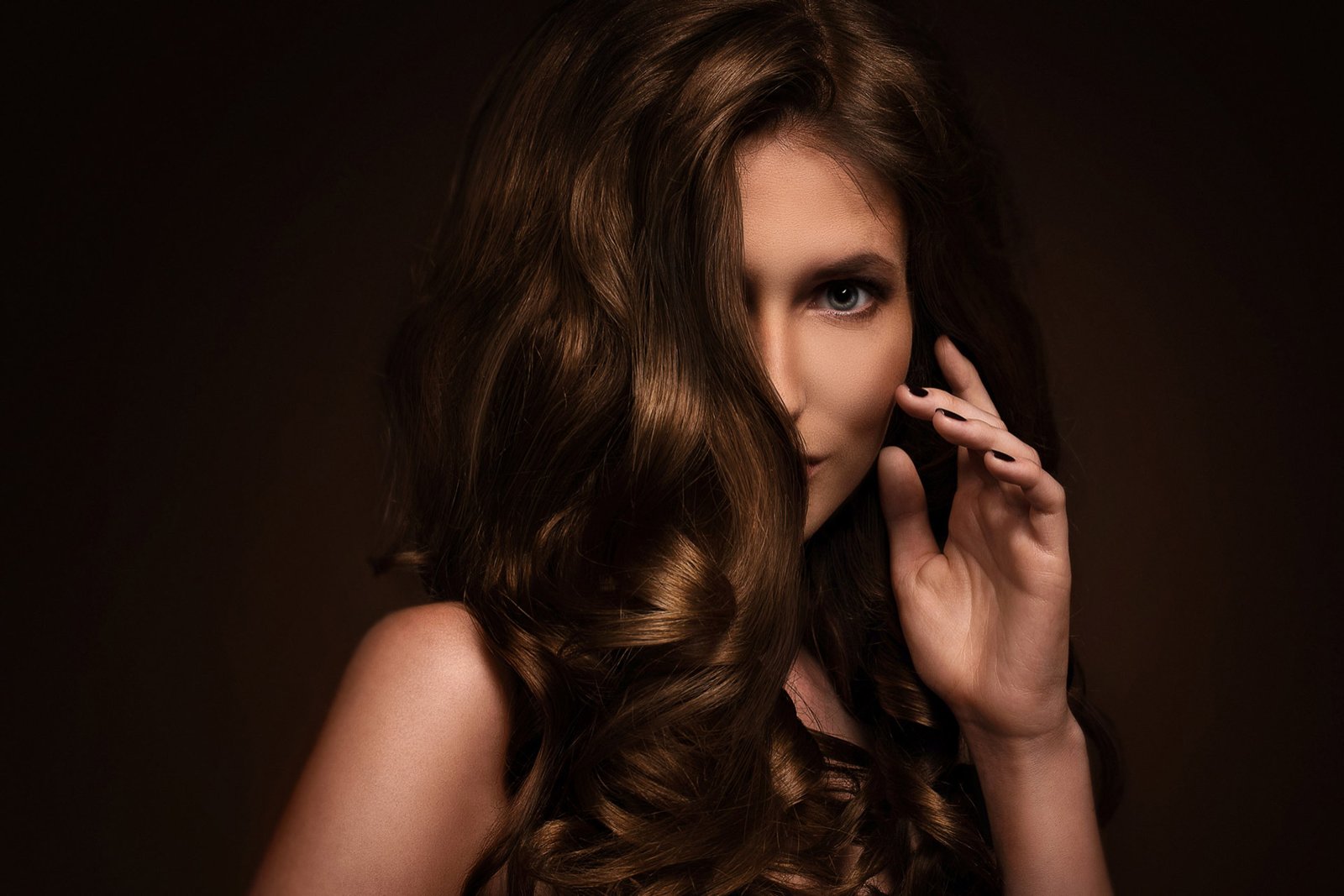
Healthy, shiny, strong hair doesn’t come from luck—it’s the result of consistently following a smart and well-rounded hair care routine. The problem? Most people unintentionally adopt habits that work against their hair goals. From using the wrong shampoo to mishandling wet hair or overusing heat styling tools, these mistakes slowly lead to hair fall, breakage, dullness, and scalp imbalance.
The surprising part is that many of these hair issues are not caused by genetics or products—but simple daily habits.
In this detailed guide, we’ll walk through the top 5 hair care mistakes you didn’t even know you were making and how correcting them can significantly improve your hair’s strength, shine, and growth. Whether you struggle with frizzy hair, dry hair, oily scalp, or hair damage, these tips will help you build healthier habits for beautiful hair every day.
Mistake #1: Washing Your Hair Too Frequently
Most people think washing their hair more often keeps it cleaner and healthier — but this is one of the biggest hidden mistakes in hair care.
Why This Is a Problem
Your scalp naturally produces oils that nourish and protect your hair. When you wash too often:
- These oils are stripped away
- The scalp becomes dry or sensitive
- Hair becomes frizzy and brittle
- The scalp produces more oil to compensate, causing greasy roots
On the other hand, washing too infrequently leads to:
- Product buildup
- Dandruff
- Itchy scalp
- Weak roots that trigger hair fall
How to Fix It
- If you have an oily scalp, wash 3–4 times a week with a mild shampoo.
- If you have a dry scalp, limit washing to 2–3 times a week.
- Choose a sulfate-free formula that supports scalp health.
- Always follow with conditioner for dry hair or damage repair.
Balance is everything. Your hair needs cleansing—but never over-cleansing.
Mistake #2: Brushing Wet Hair Incorrectly
Wet hair is at its weakest state. It stretches easily, breaks easily, and is more prone to damage. Yet many people aggressively brush wet hair right after showering, which leads to:
- Split ends
- Hair fall
- Thinning
- Frizz
- Loss of natural curl pattern (for curly hair)
Why Wet Hair Breaks Easily
When wet, the cuticle (outer layer) of the hair opens up, making each strand more vulnerable.
How to Fix It
- Use a wide-tooth comb instead of a regular brush.
- Start detangling from the bottom and slowly move up.
- Apply a leave-in conditioner or detangling spray for slip.
- For curly or wavy hair, detangle only when wet and conditioned.
This one change alone can dramatically reduce breakage and improve hair texture.
Mistake #3: Overusing Heat Styling Tools
Flat irons, curling wands, and blow dryers can give you salon-perfect hair — but excessive use causes irreversible damage over time, including:
- Burnt ends
- Hair thinning
- Dryness and frizz
- Weak, stretchy strands
Split ends
Many people unknowingly damage their hair because they:
- Don’t use heat protectant
- Use tools at the highest temperature
- Blow dry hair incorrectly
- Curl or straighten the same section repeatedly
How to Fix It
- Always apply a heat protectant spray.
- Keep your tools below 350°F (175°C) unless you have very thick hair.
- Limit heat treatments to 2–3 times a week.
- Air dry your hair halfway before blow-drying.
- Use heat-free styling methods like braiding, rollers, or curling rods.
Remember: Prevention is easier than heat damage repair.
Mistake #4: Ignoring Your Scalp Health
Many people treat hair care like it’s only about the strands—shampoo, conditioner, hair masks, oils, etc. But good hair begins at the scalp, which is literally the foundation of hair growth.
Ignoring scalp health can lead to:
- Dandruff or flakiness
- Excess oil production
- Hair thinning
- Slow hair growth
- Itching or irritation
- Buildup from products and pollution
What You Should Do Instead
- Exfoliate your scalp once every 1–2 weeks.
- Use a clarifying shampoo monthly to remove buildup.
- Massage your scalp with gentle pressure to boost blood flow.
- Treat dandruff early with the right dandruff treatment shampoo.
- Avoid oils if you have fungal dandruff.
- Use lightweight products if you have an oily scalp.
Healthy hair starts with a nourished, balanced scalp.
Mistake #5: Using the Wrong Products for Your Hair Type
One of the most overlooked mistakes is choosing products based on trends rather than your actual hair needs. A product that works beautifully for someone else might harm your hair.
Examples of Common Product Mistakes
- Using heavy oils on fine hair
- Using keratin products daily
- Using strong clarifying shampoos on dry hair
- Using moisturizing shampoos on oily hair
- Applying silicone-heavy serums to curly hair
- Using chemical-filled products on sensitive scalps
How to Fix It
Identify your hair type first:
Straight / Wavy / Curly / Coily
and your characteristics:
Dry, oily, thin, thick, frizzy, damaged, color-treated
Then Choose
- A chemical-free shampoo if you have sensitivity
- A hair serum for shine and frizz control
- A hair mask for damaged hair once a week
- Lightweight conditioners for thin hair
- Deep moisturizing products for curly or dry hair
The right products can transform your hair in just weeks.
Bonus Tips: How to Build a Healthy Hair Care Routine
Here are simple habits that strengthen and nourish your hair naturally:
- Drink enough water every day
- Sleep on a silk pillowcase
- Protect hair from sun exposure
- Oil your hair weekly (if it suits your scalp)
- Trim every 8–12 weeks
- Avoid tight ponytails and heavy hairstyles
- Use a hair mask weekly for hydration
- Store heat tools properly to avoid overheating
- Embrace your natural texture and follow a curl care routine if curly
Healthy hair is the result of consistent care—not random fixes.
Conclusion
Most of the time, your hair isn’t unhealthy because of genetics or bad luck — it’s because of daily habits you never realized were damaging. By correcting these top 5 hair care mistakes, you’ll notice your hair becoming shinier, stronger, and easier to manage. Whether your goal is hair fall control, frizz reduction, or faster growth, your journey begins with understanding what your hair truly needs.
Remember: small changes in your routine can lead to a massive improvement in the long run. Start fixing these mistakes today, build a consistent hair care routine, and your hair will reward you with long-term health and beauty.